


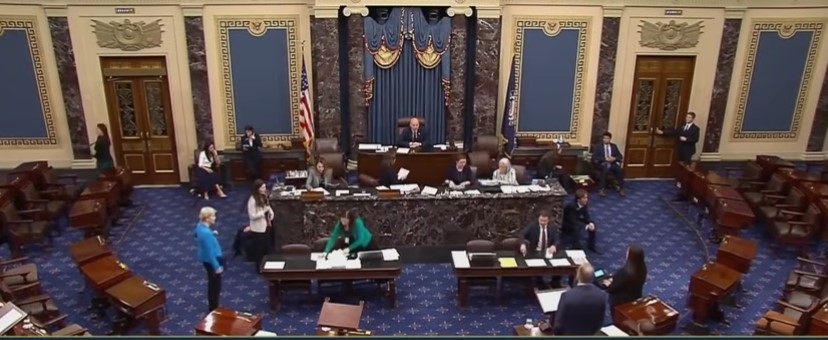
Newsman: The largest housing affordability bill, called “the 21st Century Road to Housing Act, “passed 358-32 in the House. On Tuesday, legislators on both sides of the aisle clinched the final vote in the House to pass the largest piece of housing legislation in decades.
The Senate approved it Monday with similarly overwhelming bipartisan support. It now heads to President Trump’s desk for his signature.
The main issue this bill tries to address is that the U.S. does not have enough houses to keep up with demand. Realtor.com estimated that last year the U.S. was short by more than 4 million housing units.
Mortgage rates have also risen over the past several years, and that boosts the monthly cost of ownership. Rates had been falling earlier this year, but the war in Iran raised the cost of borrowing, and the nationwide average is now about 6.5%. Families also have less purchasing power, as inflation has outstripped wages.
Rather than making a single change, the bill is a hodgepodge of provisions designed to either encourage housing construction or make it easier for home seekers to buy. The flashiest part of the package is a ban that prevents corporate investors from buying up more single-family homes to rent out. If one of those groups already owns at least 350 houses, it won’t be able to buy others.
This provision was one of the most contested as the bill worked its way through the legislative process. Some politicians endorsed it as a move to stop corporate landlords from being able to outbid families and buy up large chunks of local housing markets with cash offers.
Another is aimed at making manufactured homes more affordable by getting rid of the rule that those houses must have a permanent chassis, or a steel frame that makes them movable. Manufactured homes are often installed onto permanent foundations, and housing policy experts say that removing the chassis requirement could cut $5,000 to $10,000 off construction costs and allow for designs that could more easily incorporate a second story or basement.
“Housing affordability has become a priority for Congress” Sen. Elizabeth Warren, D-Mass., a co-sponsor of the bill, told in an interview with NPR.
“Every time every member of Congress goes back home they hear how urgent it is to bring down home prices. And that’s what the bill does,” she said.
Sen. Warren said, “It has just been more than 30 years since the federal government has done anything but sit by and say, ‘Damn, the price of housing sure has gone up.’ Finally, we are actually moving.”
The bill also encourages local governments to speed up the homebuilding process by giving more federal dollars to places that build more housing. “If you don’t build more housing, you should lose those incentives. And they should go to the places where you’re building more housing,” said the bill’s co-sponsor, Sen. Tim Scott, R-S.C., on the Senate floor Monday ahead of the chamber’s vote.
While the legislation doesn’t provide new federal dollars for homebuilding, it streamlines some of the regulations homebuilders must follow to get existing federal financing.
For example, it allows builders to skip the environmental review when a housing project is going up between two buildings that have already gone through the process.
A different provision creates a grant program for communities to develop “pattern books” of preapproved housing designs, so builders won’t need as many approvals to get up to code.
But nationally, these investors make up only about 3% of the single-family rental market. And some experts warn the ban could actually limit the supply of available homes, because investors often buy and fix up homes that would otherwise fall out of the market.

